1st of December
This camera wanders for me, not for you.

Originally published via Sybil, back in 2021, I present you, dear reader, with an excerpt, prose home movie, lament, love letter, liturgy, portrait, thesis, meditation, mediation, gaze, analysis, song, story, dream, nightmare, clarion call, condemnation, reflection, reward, artifact, ornament, and bell from a forthcoming poetry collection titled Dates.
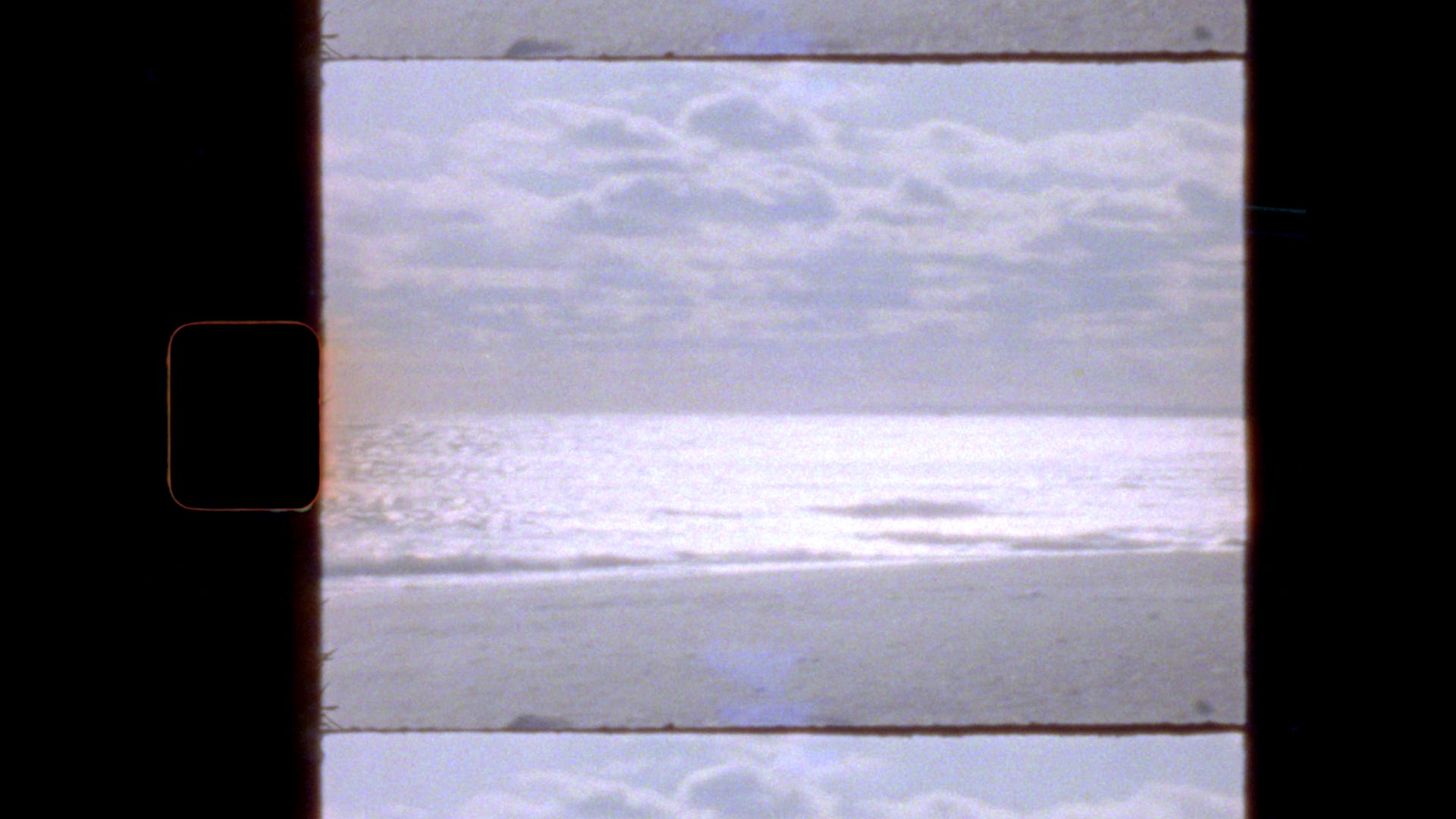
I forget the word.


It’s the 13th of June, and we’re having trouble deciding on a film to watch.

So I ask you to say a word,

“I’ll match it with a movie.”

An exercise existing somewhere in-between a Rorschach Test and Walter Benjamin.

I forget the word,

but we watch Y tu mamá también.

I cry, a lot.

The wandering camera;

our not-quite-omniscient-narrator, imbued with divine knowledge

(and class consciousness),

who doesn’t quite narrate;

the impending sense of change and loss—

one day it won’t be the 13th of June,

things will have changed.

We are watching the movie, witnessing the loss of youth,

friendship,

and love.

All because of a word.

It’s been six months;

I’ve watched Y tu mamá también two more times.

The second viewing,

(or: the first after that first time),

occurs the day of our first breakup.

This time, I cry even more.

The quiet death of a day laborer due to the neglect of Mexico City’s architects.

The crosses forever standing on the side of the road,

revealed to me by the wandering camera,

but unbeknownst to our protagonists.

Luisa’s ability to conceal her cancer from our fallible narrator and those two boys.

The sadness when considering the number of hidden lives.

A return to the countryside,

on the eve of the 1999 World Trade Organization Ministerial Conference, in Seattle.

All because of a word.


It’s December now.

It’s cold but today isn’t as cold as I expected.

We’ve gotten back together and have broken up for a second time since my second (or: first after the first) viewing.

This time, I watch Y tu mamá también in public,

at the Film Forum.

Before the movie starts, I hear a couple behind me discussing what the title means.

They are wrong.

It’s a mostly white and old audience.

A mostly white and old audience who lose out on the cultural subtext of the film and the intricacies of Spanish.

This camera wanders for me, not for you.

A mostly white and old audience, laughing at the oddest moments.

This stems from their having forgotten what it was like to be young,

idiotic,

curious.

I cry but,

not as much as this time.

However, I do notice something new.

Dear reader, have you seen the movie?

Ah well, regardless, I don’t know how consequential my mediation of a moment is.

Towards the end of the movie our trinity of protagonists are quite drunk and honest and cheery.

Luisa walks to the jukebox,

followed by our wandering camera.

 She turns to the boys, saying, “Oye, dime un numero y una letra.”

Tell me a number and a letter.

One says “13.”

The other says “B.”

“B-13.”

Cue: Marco Antonio Solís’ “Si No Te Hubieras Ido.”

As the song begins, Luisa takes a sip of her mezcal,

turns to us,

and starts dancing.

 She stares at our wandering camera,

slowly approaching it with a knowing smile.

The wandering camera slowly backs up,

afraid of the knowledge Luisa carries.

Her dance is a cascade of departures.

You do not know you are mourning.

All because of a number and a letter.


I forget the word.


The word has to be said for us to watch this movie,

the word has to be said for me to watch it alone, twice—

The word awaits us somewhere,

on two separate soils.


I forget the word but,

we don’t forget forever.